

how it works and what it is for
the importance of periodic checks
There gynecological visit It is essential for women's health, as it allows assess the state of the genital system and of identify any alterations early. Even without symptoms, periodic checks They are essential for prevention, from the beginning of sexual activity until the later stages of life.
The aim of the visit is to verify the normality of the genital organs and exclude or identify gynecological pathologies earlyThrough an interview, objective examination and any further investigations, alterations can be diagnosed such as uterine myomas, ovarian cysts, endometriosis, vaginal infections, menstrual or menopausal disorders.
A program of regular checks It may include cancer screening tests, such as Pap tests, and other investigations if necessary. Guidelines recommend regular visits even without symptoms, as many early pathologies may be silent. Gynecological visits thus become a useful monitoring tool for maintaining a clear picture of one's health over time.

When is it advisable to carry out checks
Choosing the most suitable moment
It's generally best to schedule an appointment during a period when you're not menstruating, making the exam easier for the doctor and more comfortable for the patient. No special preparation is necessary: simply observe your normal daily hygiene habits, and shortly before the appointment, it may be helpful to empty your bladder to facilitate abdominal and pelvic examination. It's recommended to bring any previous tests, such as Pap smears, ultrasounds, blood tests, or specialist reports, which help complete the clinical picture.
Signs and reasons to book
In addition to routine checkups, a visit is recommended if you experience symptoms or changes from your normal routine. The most common reasons include irregular, heavy, or painful periods, pelvic pain, abnormal vaginal discharge, itching or burning, doubts about contraception, difficulty or pain during sexual intercourse, and prevention of genital infections. Even in the absence of significant symptoms, a consultation with a specialist can help clarify doubts, provide up-to-date information, and establish a prevention plan. personalized on the needs of the individual patient.
How a gynecological examination is carried out
Initial interview and collection of medical history
The visit opens with a
preliminary interviewDuring this phase, the gynecologist collects information about the patient's general medical history, menstrual cycle characteristics, any obstetric history, sexual activity, and the presence of specific symptoms. During this phase, the patient can calmly discuss any complaints, concerns, or questions, in a context of listening and respect. The assessment also takes into account:
any ongoing therapies, Of
systemic and familial pathologies for gynecological or oncological diseases.
Objective examination and evaluation of organs
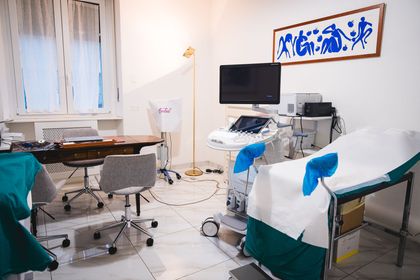
The physical examination then follows. The patient is placed on the gynecological table, in a position that allows the doctor to accurately observe the external genitalia and, when indicated, the internal genitalia. The examination begins with an inspection of the vulva, check for inflammation, lesions, warts or other alterationsWhen appropriate, a speculum is used, an instrument that gently separates the vaginal walls and allows the cervix to be viewed and a Pap test or other blood samples to be taken.
This is followed by vaginal exploration combined with bimanual abdominal palpation, which allows for
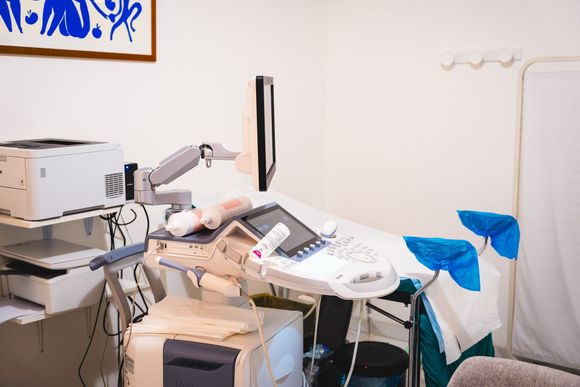
assess the shape, size, mobility and sensitivity of the uterus and ovaries, as well as the possible presence of masses or painful pointsDepending on the clinical picture, the visit may be supplemented with ultrasound scans or further investigations, with the aim of completing the diagnostic assessment and accurately defining the next steps.
Patient comfort and the role of health education
During the examination, the gynecologist invites the patient to breathe slowly and relax her muscles, so as to reduce the sensation of discomfort. Particular attention is paid to pelvic floor assessment, since excessively contracted or, conversely, weakened muscles can be associated with pain during intercourse or stress urinary incontinence. In young women who have not yet had full sexual intercourse, certain maneuvers, such as the use of a speculum or internal examination, may not be performed and the examination is adapted to the individual situation.
The gynecological visit also represents an important opportunity for
health education: allows you to delve deeper into topics such as contraception, sexuality, infection prevention, management of different hormonal phases and changes related to menopause.
VISITS AND APPOINTMENTS
Book your gynecological appointment now: take care of your well-being
Dr. Mattace will welcome you in a professional, confidential environment, attentive to your needs, offering personalized consultations and targeted diagnostic procedures. Don't delay: listening to your body, prevention, and timely intervention are the best ways to protect your health.
Contact us by phone or send a request using this form.
A small gesture today can make a big difference tomorrow.
Milan LambrateLocated at Via Ronchi 8, on the mezzanine floor, opposite the train and metro station exits. The property is accessible for disabled guests.
MELEGNANO CENTER, in Via Castellini 63, staircase F, on the ninth floor, with three elevators and easy access.
BOOK AN VISIT AT THE STUDIO NEAREST YOU
* Mandatory fields